For much of the last decade, Medicare Advantage home health care was viewed by many agency leaders as a growing trend worth monitoring but not yet mission critical. That mindset is now a strategic risk. With over half of Medicare beneficiaries enrolled in Medicare Advantage (MA) plans and continued shifts in payer mix and quality expectations, MA is no longer a fringe concern. It’s the operating reality of home health in 2026.
CEOs and COOs must take stock: Medicare Advantage home health care is reshaping agency operations, administrative workflows, quality performance expectations, and strategic growth plans. This post explains why Medicare Advantage dominance matters now and what leaders should prioritize as they plan for the year ahead.
The Shift: Medicare Advantage’s Increasing Market Share
According to the latest CMS enrollment trends and independent analyses, Medicare Advantage has grown steadily over the past decade. In 2024, more than half of eligible Medicare beneficiaries were enrolled in Medicare Advantage plans (roughly 54 percent nationally) up from less than 20 percent in 2007.
That shift in payer mix has direct implications for home health agencies: increasing MA penetration means more patients under managed care structures that emphasize prior authorization, care coordination agreements, utilization management protocols, and quality performance metrics.
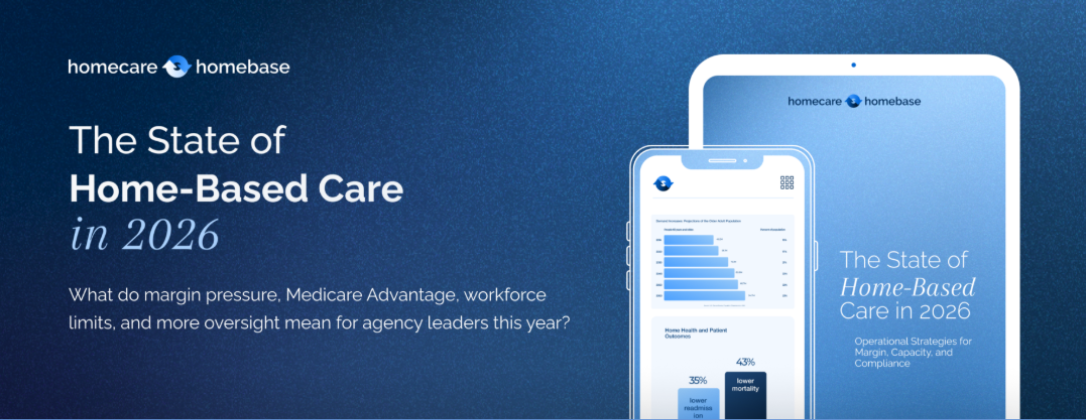
Download the report: The State of Home-Based Care in 2026 for a data-informed look at how agencies are adapting operations to serve an MA-dominant payer base.
Operational Reality: Authorization, Administrative Burden, and Quality Expectations
With Medicare Advantage home health care now a primary payer in many markets, agency leaders are facing operational pivots:
Prior Authorizations and Utilization Management
MA plans often require prior authorization for home health episodes, equipment, or specialized services. According to industry data drawn from The State of Home-Based Care in 2026, denial and appeal rates for MA authorizations are leading agencies to standardize workflows and documentation to reduce administrative friction.
Administrative Burden and Staffing Pressures
While MA offers opportunities for value-based care alignment, it also increases administrative complexity. Agencies report that MA plans require more robust documentation and tracking, which strains back-office resources unless standardized technology and processes are in place.
Quality Performance and Star Ratings Context
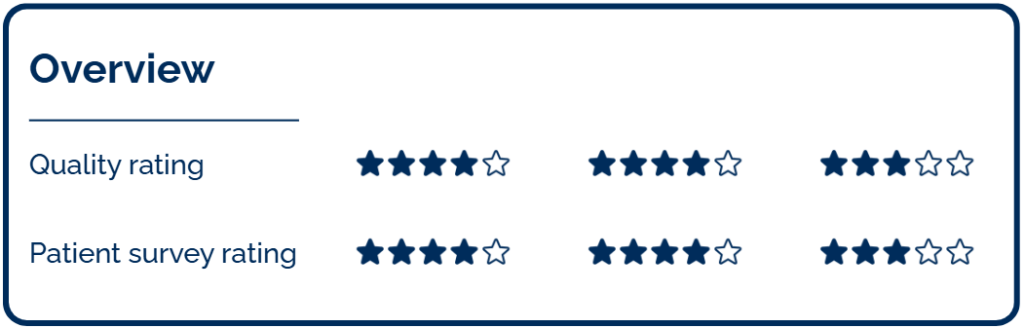
CMS publishes Medicare Advantage Star Ratings to measure plan quality and performance and to inform bonus payments. While these ratings are designed for consumer comparison and plan incentives, home health agencies increasingly find themselves evaluated in parallel against quality measures that influence MA contracting and referrals.
At the same time, agencies must monitor and improve separate metrics for Medicare Home Health Start Ratings displayed on CMS’s Care Compare platform.
Leaders who view Medicare Advantage as simply another payer miss how deeply these managed care priorities now shape daily operations.
Why Treating MA as “Optional” Is Risky
For agencies still operating under the assumption that MA is a sideline strategy, the risk is two-fold:
1. Missed Growth Opportunities
As MA enrollment grows, agencies that lack robust payer strategy alignment risk losing referrals and market presence to competitors who have standardized processes for authorization, care coordination, and quality reporting.
2. Financial and Compliance Pressure
MA plans operate on different contracting terms and utilization protocols than traditional Medicare. Without clear internal standards tied to MA plan requirements, agencies may see higher denial rates, slower reimbursement cycles, and greater cost leakage.
Agency leaders must integrate MA payer strategy into core operational planning to protect margins and maintain competitive positioning.
Download the report: Discover how successful agencies are standardizing operations to thrive in an MA-dominant environment.
What Leaders Must Prioritize in 2026
Moving into 2026, successful CEOs and COOs should focus on the following action areas:
Integrate MA requirements into workflow automation
Standardization of prior authorization processes, documentation templates, and claims workflows reduces administrative drag.
Invest in Quality Analytics and Reporting
Link quality performance metrics, both CMS Home Health Star Ratings and MA plan measures, to operational dashboards that inform clinical, financial, and contracting strategies.
Collaborate with Payers Beyond Transactions
Build two-way partnerships with MA plans to clarify expectations, improve communication, and co-design performance improvement initiatives.
Align Back Office and Clinical Leadership on MA Priorities
Ensure clinical operations, revenue cycle, and compliance teams share a unified view of MA objectives and requirements.
Conclusion: Medicare Advantage Is the New Normal
Medicare Advantage home health care is no longer an emerging trend, it is the dominant payer environment that agency leaders must manage effectively. With more beneficiaries choosing MA plans and plans emphasizing quality and utilization protocols, home health agencies must evolve operational models accordingly.
The transition may be challenging, but agencies that proactively adapt are better positioned to sustain growth, improve quality outcomes, and streamline administrative burdens.
Download the report: The State of Home-Based Care in 2026 to understand what leading agencies are doing now to succeed in an MA-driven world.